Archives: Services

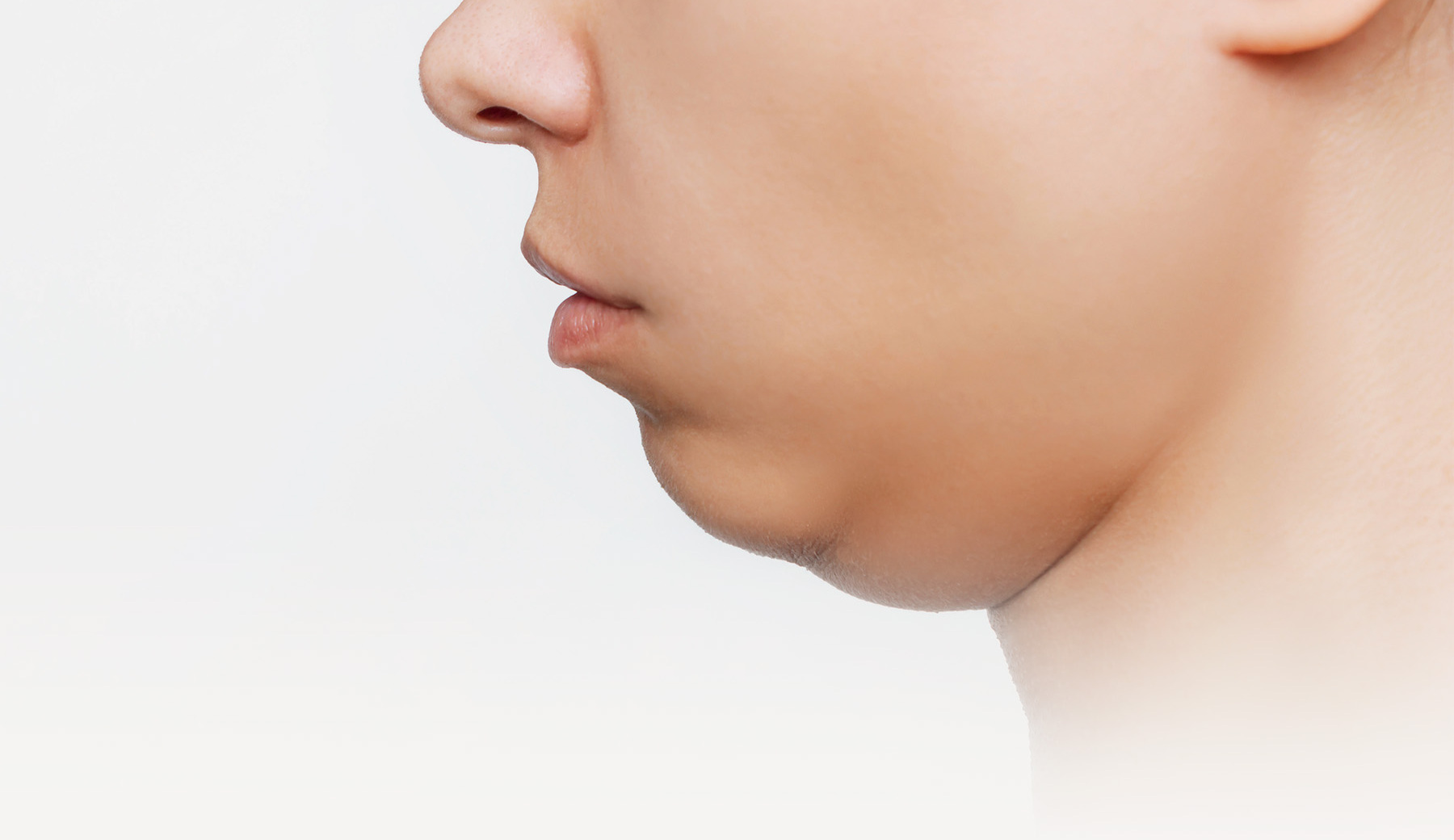
Double chin is a problem that bothers many people, so these individuals rush to find a solution to this problem, which may be difficult to conceal with clothing or any other method other than fat suction in this area and getting rid of sagging skin. Sagging skin, if present, makes the person look older.

Submental Liposuction is the optimal solution to get rid of annoying chin fat! It aims to remove excess fat around the neck and under the chin. It is often difficult to get rid of the double chin through diet and exercise, so Dr. Moataz Alshakhanbah recommends liposuction, a safe and effective procedure that helps restore the natural appearance of the chin area, and defined jawline.

Overview of Double Chin Liposuction Procedure:
Before starting the procedure, Dr. Moataz Alshakhanbah will perform the necessary tests and evaluate the condition to ensure that there are no contraindications to the operation and to determine the appropriate treatment plan for you. He will also provide you with advice and instructions to follow before and after the operation.

There are three common types of double chin surgery, including:
1-Fat Suction: Liposuction is a simple and common procedure that requires only local anesthesia to numb the area. This is done by removing fat from under the skin. The surgeon makes a small incision to insert a small tube through which excess fat is suctioned. During this procedure, the surgeon also sculpts and defines the chin and neck to reshape the jawline.
2-Face Lift: Face lift surgery generally requires the patient to be under general anesthesia, but sometimes it can be done under local anesthesia. During a face lift, the doctor removes any loose fat or skin around the chin and neck.
3-Neck Lift: There are several different types of neck lift procedures that can be performed. One of them requires removing excess skin around the neck and chin. The other procedure aims to tighten the neck muscles. Both procedures help improve the contour of the neck and chin.

How Long Does the Procedure Take?
Double chin removal surgery takes between half an hour to an hour.

When Will You See Results of Double Chin Liposuction?
The results of double chin liposuction often appear quickly, as soon as you leave the operating room, where all excess fat is suctioned, and then muscles are tightened and loose skin is removed, giving the chin, jaw, and neck a wonderful appearance. A harmonious appearance that makes you look younger.

What to Expect After Double Chin Liposuction:
After any of these procedures, bruising and swelling in the area and surrounding area are expected after about a week of the procedure, and these symptoms may last for approximately 10 to 14 days.

Dr. Moataz Alshakhanbah often recommends wearing a chin strap for a week to 14 days, for better results.
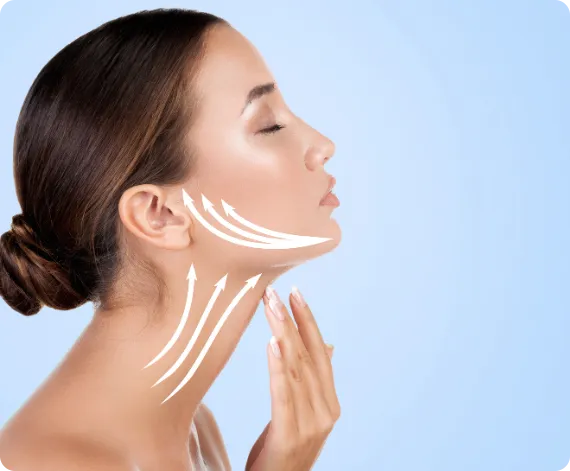
There are several factors that accelerate the formation of wrinkles on the face and neck, such as aging, sun exposure, and some genetic factors. Therefore, the face and neck lift procedure is designed to rejuvenate and enhance the appearance of youthfulness.

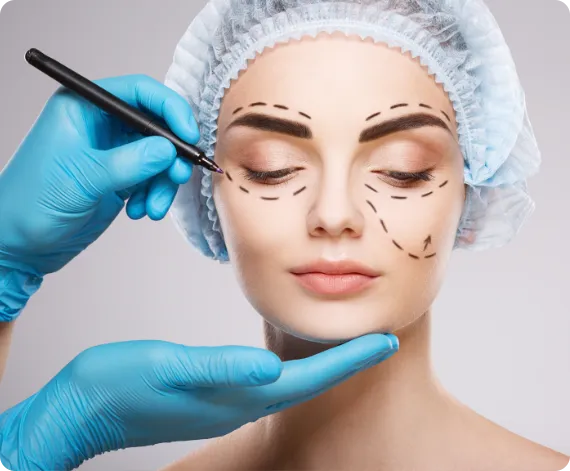
Face and neck lift is a surgical cosmetic procedure that involves tightening the facial muscles, skin, and underlying tissues, along with eliminating sagging skin. Often, face and neck lift surgery is performed simultaneously with liposuction, eyelid surgery, forehead lift, and chin enhancement to achieve optimal facial rejuvenation.

This procedure is considered relatively delicate and complex, so it is only performed by the most skilled cosmetic surgeons. Dr. Mutaz Alshakhanbah has performed many of these surgeries, with patients achieving amazing and satisfying results.

The aim of face and neck lift surgery is to restore a more youthful appearance by eliminating prominent wrinkles and sagging skin in the lower part of the face.

The face and neck lifting procedure involves making incisions along the hairline, the front part of the ear, around the earlobe, and behind the ear. Excess skin in the face and neck is removed, and sagging muscles and tissues are tightened. In some cases, excess fat may be removed from under the chin and neck. The surgical incisions are closed with small stitches.
Preparation for Surgery:
Dr. Mutaz will note any illnesses you have or have had in the past, as well as any medications you are taking, including herbal treatments and supplements. Then a comprehensive examination of your face and neck will be conducted, and some photographic images may be taken. Measurements of your height and weight will also be taken to ensure the safety of the procedure. If you are overweight or planning to become pregnant, the surgeon may suggest postponing the operation.
Recovery from Surgery:
The recovery period varies from person to person depending on their condition and response to cosmetic surgery, but generally, mild to moderate pain is expected, controlled with pain relievers prescribed by the doctor, and the following are likely:
Some swelling in the face is expected, and the patient will be provided with specific instructions regarding applying compresses to the face. The swelling is expected to decrease after one week.
Stitches and staples are removed after 5-10 days in the clinic. You can return to work after 1.5-2 weeks.
You can drive after 1-2 weeks of surgery.
You can gradually resume physical activity after 2-4 weeks of surgery.

It is normal for a person to feel tightness in the face for several weeks, and to obtain the best results, it is recommended to avoid exposure to sunlight for several weeks after the operation, and it is necessary to use sunscreen after complete recovery from the operation.
Duration of procedure:
4-6 hours

Discharge from hospital:
On the same day of surgery.

Results:
Most patients will be happy with the final result, and the final outcome of face and neck lifting surgery can only be judged about six to nine months after the procedure.

Duration of results:
The results of neck lifting surgery usually last for at least 10 to 15 years, especially with good skin care.

Overview of Eyelid Surgery:
Some individuals suffer from droopy eyelids or sagging and swelling due to various factors, making eyelid surgery ideal for those aspiring for a younger appearance.

Eyelid surgery, also known as blepharoplasty, helps lift drooping eyelids, eliminate under-eye bags, and tighten sagging skin according to the patient’s needs and the advice of the doctor. This surgery helps make the patient appear younger and improves facial appearance.

Before starting the surgery, Dr. Mutaz Alshakhanbah will review your medical history, health issues, and medications you are taking.

He will also discuss with you your expectations for the surgery, its risks, and benefits; this will help you accept the upcoming outcome.

You will also undergo multiple examinations such as:
Eye examination.
Blood tests.

The surgeon will provide you with all the instructions related to the surgery.

Anyone over the age of 18 can undergo eyelid surgery.

Am I a good candidate for eyelid surgery?

This procedure is suitable in the following cases:

Droopy eyelids due to aging.
Puffy eyelids with prominent bags under the eyes.
Patients often choose to undergo eyelid surgery concurrently with facelift surgery or other cosmetic surgical procedures.

Upper eyelid surgery:

This procedure involves making an incision along the eyelid crease, excess skin and tissues above the incision can be removed, or fat can be eliminated. The incision is then closed and usually heals with an acceptable scar cosmetically hidden within the eyelid crease.

Lower eyelid surgery:

There are several different approaches to lower eyelid surgery, the surgeon may choose to create an incision along the lower lash line directly, or perform a surgical incision inside the eyelid, meaning there will be no visible external scar or wound.

Recovery:

  • Most patients experience minimal pain after surgery.
  • The doctor recommends applying ice packs for 72 hours immediately after surgery, followed by warm compresses.
  • Stitches are removed after 5-7 days of surgery.
  • Some bruising is expected and typically resolves within about two weeks.
  • You can return to work after one week.
  • You can drive after 1-2 weeks of surgery.
  • You can gradually resume physical activity after 2-4 weeks of surgery.

Duration of the procedure:
The procedure takes about 30 minutes to one hour, and may take up to two hours if upper and lower eyelid surgery are performed simultaneously.

Duration of the results:
Results of the procedure typically last a long time, upper eyelid surgery can last from five to seven years or even a lifetime, while lower eyelid surgery rarely needs to be repeated more than once.

Overview of Rhinoplasty:

A beautiful and harmonious nose that complements facial features is considered one of the components of beauty sought by many individuals, which has made rhinoplasty a popular procedure in our current era.

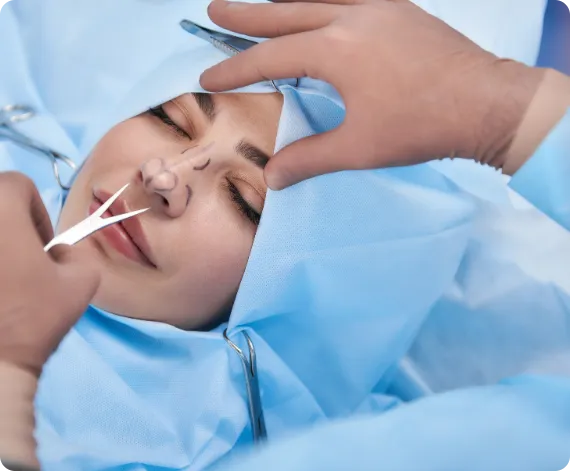
Rhinoplasty is a cosmetic surgical procedure used to modify the shape of the nose with the aim of improving its appearance for individuals dissatisfied with the size or shape of their noses. It is also a common option for patients experiencing deformities or problems related to the nose that affect their ability to breathe or sleep.

How is it performed?
This procedure is performed by a specialized and experienced surgeon who corrects nasal deformities. This often involves removing or reshaping bone or cartilage to suit the patient’s condition.

Why is it performed?
Rhinoplasty aims to correct any congenital defects affecting the nose’s shape or size, deformities resulting from injury, or to address breathing problems.

Is rhinoplasty suitable for all age groups?
Rhinoplasty can be performed for most age groups, including healthy individuals over the age of 18 who experience breathing difficulties or other unwanted problems.

Procedure for Rhinoplasty
Dr. Mutaz Al-Shakhanbah begins by taking the patient’s medical history and conducting the necessary examinations and imaging to ensure the success of the procedure and to ensure that their health condition allows for it.

He also discusses how the nose will appear after the procedure, including pre-operative instructions to discontinue certain medications to avoid any complications during or after the surgery.

This procedure is often performed under general anesthesia and involves making surgical incisions to separate the skin from the nasal bone and cartilage. The surgeon then reshapes them in several ways, depending on the amount that needs to be removed or added and the nose’s structure.

If the doctor finds that the patient has a deviated septum, he may also correct this issue at the same time.

General tips provided by Dr. Moataz after the operation

  • Follow the doctor’s instructions regarding prescribed medications such as pain relievers and antibiotics.
  • Avoid sports activities for four to six weeks.
  • Avoid lifting heavy objects for four to six weeks.
  • Avoid blowing your nose for one to three weeks after surgery.
  • Keep your head elevated by using extra pillows while sleeping during the first three days.
  • Pain or discomfort can be relieved by using cold compresses or pain relievers prescribed by the doctor.

The cost of rhinoplasty procedures depends on each case, which we evaluate when you visit Dr. Mutaz Al-Shakhnbah. Therefore, do not hesitate to visit the doctor to get all the details about the procedure

It’s common to hear about breast augmentation surgeries, but what about breast reduction surgeries? Some women may suffer from an increase in breast size, making them excessively large, to the point where they may appear overweight, which can affect their self-esteem and cause embarrassment, leading them to try to hide their breast size with appropriate clothing.

Most women with excessively large breasts often experience back and shoulder pain, as well as negative effects on breastfeeding, and in some cases, an increase in breast tissue and fat may delay early detection of breast cancer.

This procedure can be performed at any stage of life, even if the female is a teenager, but there may be a need for further surgery if breast reduction is performed before their full growth.

Preparing for the Procedure:
Dr. Moataz Al-Shakhanbeh checks the family history, conducts comprehensive tests, and evaluates the condition to ensure that the woman’s health allows her to safely undergo this procedure, in addition to discussing the desired size and shape of the breasts after surgery.

Procedure method:
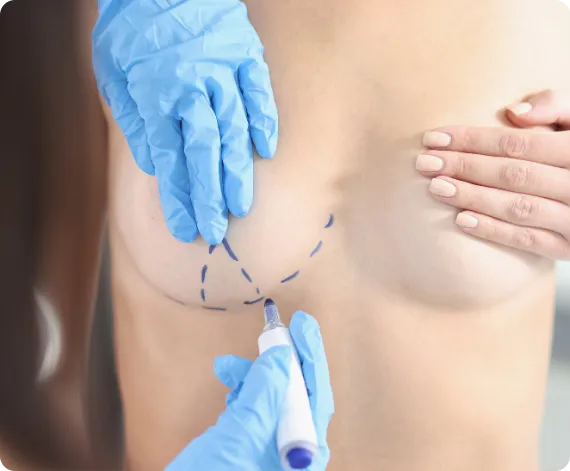
Breast reduction surgery is usually performed under general anesthesia, and the method used may vary from case to case. Steps of the procedure may include:
Make an incision around the nipple and the dark area (areola) under the breast.
Removal of excess tissue, fat and skin, which helps reduce the size of each breast, reshape it and make it more symmetrical.
The doctor then repositions the areola upward and, if necessary, reduces its size.

The doctor will try to make the breasts as similar in size as possible, but there may still be slight differences between them. It should be noted that surgical scars usually fade over time but may not disappear completely.

After the procedure:
Most women will feel pain when their breasts are touched, and swelling and bruising may occur. Physical activity should be avoided for 4 to 6 weeks, and your doctor may recommend wearing a medical bra to support your breasts during the recovery period.

Where is the Procedure Performed?
In the hospital.

Recovery Time at Home:
Only 5 days.

When Do the Scars Disappear?
It may take up to 6 months for them to become the same color as the natural skin.

Duration of the Procedure:
3 hours.

Hospital Discharge:
The patient needs to stay one day in the hospital.

Having breasts that are proportionate to the body shape and size is considered a beauty standard that many women strive for, especially those who suffer from small breast size. Breast size may decrease after pregnancy or significant weight loss, leading to sagging skin and drooping breasts.

With the advancement of surgical procedures, it is now possible to undergo breast augmentation and enhancement to shape fuller, firmer, and larger breasts, enhancing the overall body appearance for women dissatisfied with their breast size. It can also be used to help rebalance asymmetrical breast sizes or after undergoing breast surgery to address other issues.

Brief Overview of Breast Augmentation Surgery:
Before the procedure, Dr. Moataz Al-Shakhanbeh discusses the goals of the surgery and determines the size of the implant you desire, and how the breasts will appear after the operation.

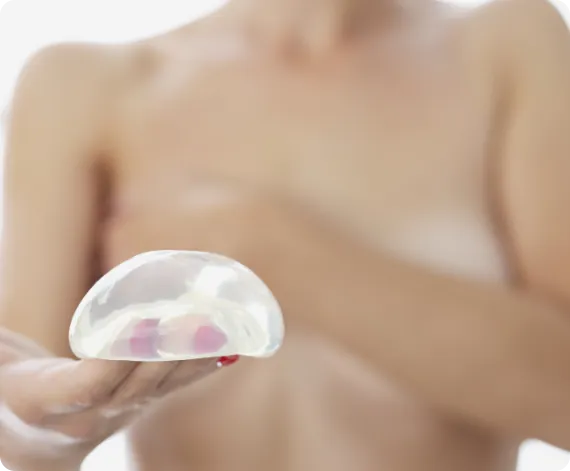
During the procedure, the surgeon typically makes an incision and creates a pocket to insert the breast implant (silicone) in one of the following areas:
Under the breast.
Around the nipple.

There are two types of implants, either filled with saline or silicone gel.

While this procedure may help improve major differences in the breasts, it will not completely correct them. It should be noted that if the breast size or nipple placement is not completely symmetrical, additional procedures may be required to improve symmetry.

Breast augmentation is usually preferred through implant placement under the muscle, as it has benefits such as not affecting breast images when undergoing mammography for breast cancer screening, and reduces the likelihood of interfering with breast functions.

After the Procedure:
Inflammation and swelling may persist for a few weeks after surgery, and bruises may also appear. As for scars, they usually fade over time.

The doctor may also recommend wearing a compression bandage or sports bra to support the breast implants and keep them in place.

The patient can typically resume full activity within two to three weeks, with the need to avoid strenuous activities such as running or horseback riding for six weeks.

Where is this procedure performed?
In the hospital.

Recovery at home:
Three days.

Duration of the procedure:
One to two hours.

Hospital discharge:
On the same day as the operation.

Many changes occur in the breasts with age, pregnancy, breastfeeding, or weight fluctuations, often leading them to become less firm and elastic. This results in sagging skin and drooping breasts.

A breast lift surgery helps reduce sagging and elevate the position of the nipples. It can also reduce the size of the areola (the dark area surrounding the nipples) to maintain proportion with the new breast shape, giving them a more youthful appearance.

This procedure is relatively simple and can be performed with or without silicone implants. Many women may choose to combine a breast lift with a tummy tuck surgery.

Pregnancy can still cause stretching and sagging of the breasts even after the procedure, so if you are planning to become pregnant in the future, it is advisable to postpone breast lift surgery.

Brief Overview of Breast Lift Surgery:
Before the procedure, the shape of the breasts before and after surgery, as well as the goals, are discussed. During the procedure, the surgeon usually makes surgical incisions around the nipple, vertically under the nipple, and sometimes horizontally in breast creases.
Some breast tissue and skin are removed, reshaping the breast tissue’s coherence, and repositioning the nipple and areola. Finally, the surgeon stitches the skin using dissolvable sutures.

In most cases, patients may feel discomfort in the breast area during the first 24 to 48 hours, and some swelling in breast tissues always occurs but usually subsides within a month after surgery.

Where is this procedure performed?
Breast lift surgery is usually performed in the hospital.

Recovery after the procedure at home:
One week.

Duration of the procedure:
Two and a half hours.

Hospital discharge:
On the same day as the operation

Biostimulator injections, also known as bio-stimulating injections, are modern and promising cosmetic procedures. They help stimulate fibroblast cells to promote the production of collagen and elastin (proteins responsible for giving the skin its youthful appearance, firmness, and elasticity), thereby slowing down the aging process.

This procedure helps restore lost volume in treated areas, such as the cheeks and cheekbones, correcting deep facial folds like fine lines around the nose and mouth. The results may last up to two years.

Biostimulator injections are highly safe procedures, provided that high-quality medical products are used, which is the specialty of Dr. Mutaz Al-Shakhnbah’s clinic. Dr. Al-Shakhnbah initially examines the skin, identifies the targeted areas, and devises a precise treatment plan that yields excellent results and noticeable differences.

Dr. Mutaz Al-Shakhnbah customizes a comprehensive treatment plan for each patient individually, adjusting the treatment plan according to their expectations and indicators.

Feel free to visit Dr. Mutaz Al-Shakhnbah’s clinic without hesitation.

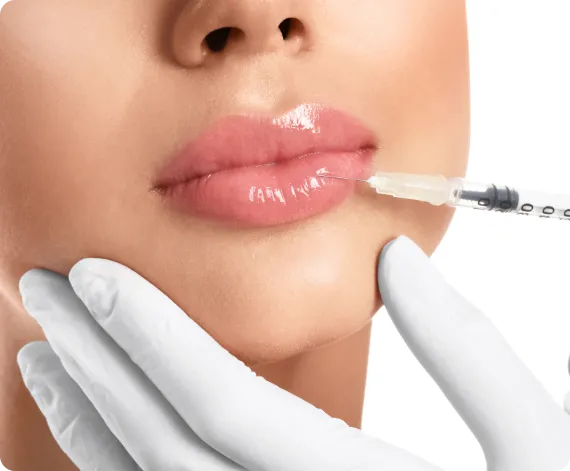
Filler injections are common cosmetic procedures worldwide. They involve injecting a filler substance into specific areas of the face according to the individual’s preference. Fillers help fill in the gaps under the skin, making it appear younger and more beautiful, giving the face a more youthful and vibrant look with minimal potential risks.

Uses of filler injections include:
Lip augmentation
Enhancing facial volume
Reducing wrinkles, especially under the eyes
Filling scars and facial wrinkles

Overview of Filler Injections:
Filler injections are non-surgical cosmetic procedures, often consisting of hyaluronic acid, although other fillers are available. They are injected under the skin to fill gaps, hide wrinkles, and stimulate collagen production, coordinating the appearance of the skin and giving it radiance and beauty.

The filler injection procedure generally takes less than an hour, and you can return home immediately after the procedure.

Filler injections are temporary procedures, so their results are not permanent. Therefore, treatment should be repeated when the results fade.

Avoid touching or massaging the injection area or applying pressure for at least 8 hours after the procedure. Also, avoid exercising, strenuous activities, and cosmetics for at least 24 hours.

Overview of Botox Injections:
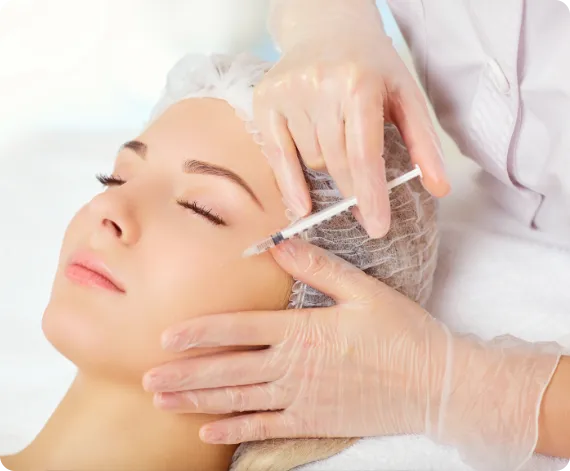
As skin ages, it loses its elasticity, and fine lines and wrinkles begin to appear. This has led to an increased interest in Botox injections. Botox is a type of medication injected into small facial muscles to reduce the appearance of facial wrinkles, giving a more youthful and vibrant look.

The Botox treatment involves multiple precise injections directly into the muscle. The doctor usually applies a topical numbing cream to avoid discomfort. The procedure typically takes about 10 minutes.

Minor bleeding may occur at the injection sites, usually stopping within minutes. Bruising or swelling may also occur, which can be minimized by applying cold compresses for a few minutes.

The effect of the injections may last for 3 or 4 months, requiring repeated treatments.

To learn more about Botox injections, feel free to consult Dr. Mutaz Al-Shakhnbah.